

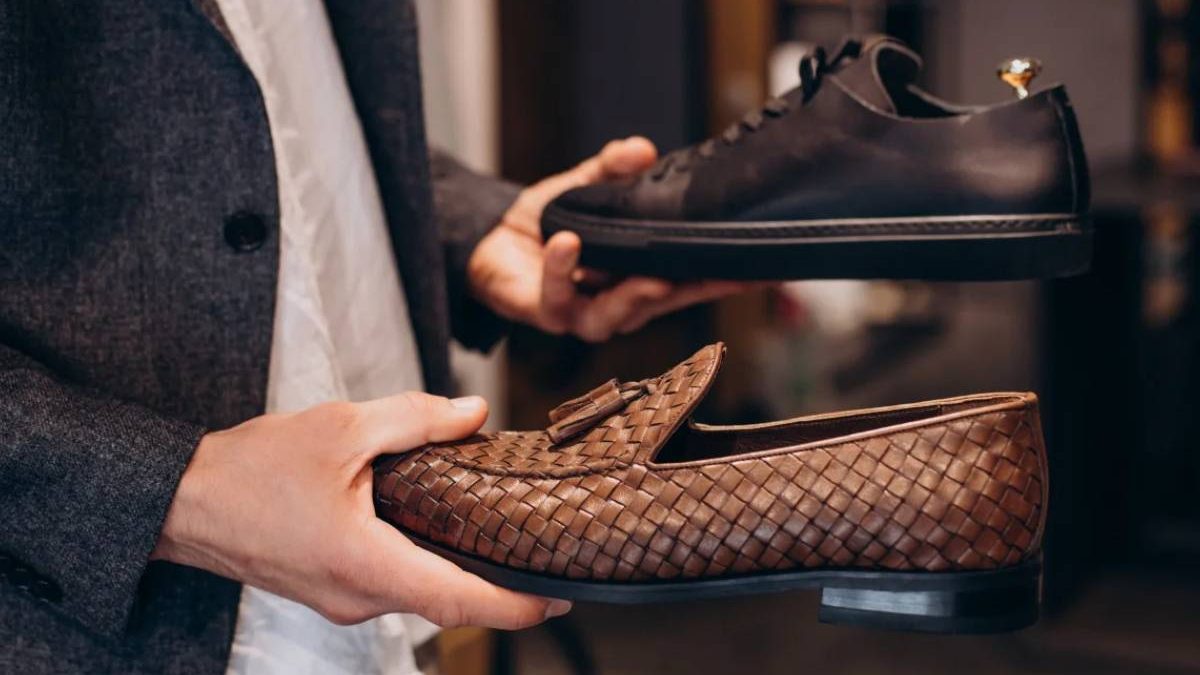
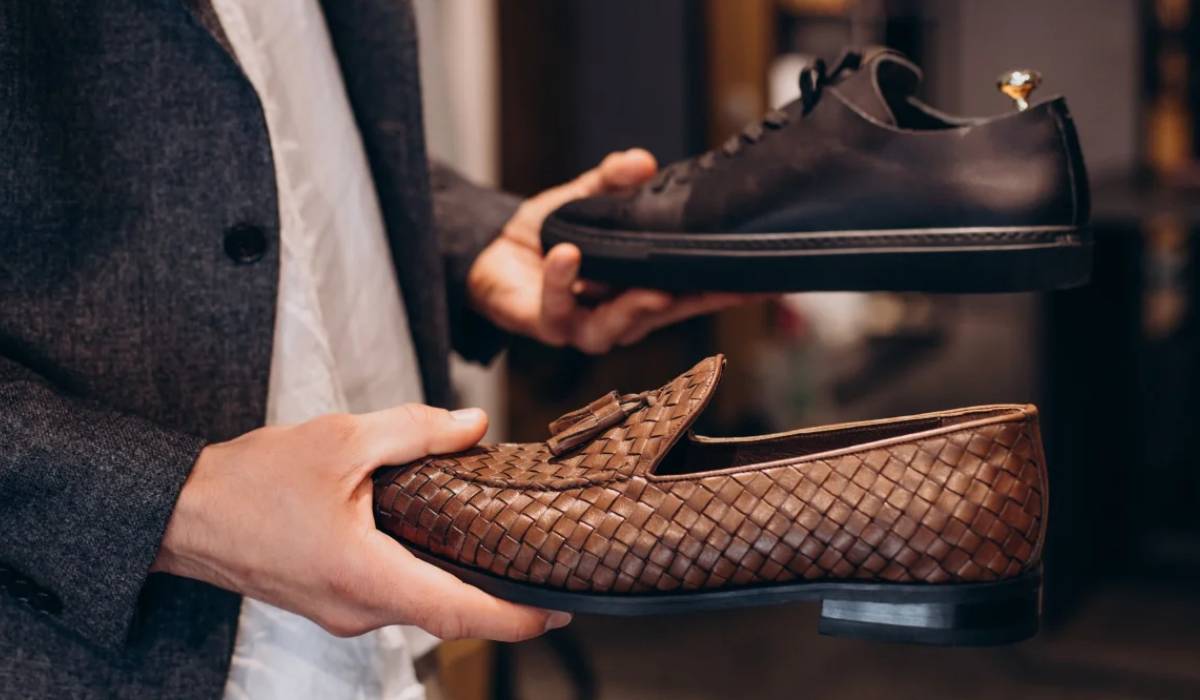
Fashion footwear plays a critical role in shaping professional perception in today’s workplace. In business environments, shoes are no longer a secondary style choice—they are a visible indicator of professionalism, credibility, and attention to detail. Whether interacting with clients, collaborating with colleagues, or representing an organization publicly, fashion footwear contributes to how competence and reliability are perceived within seconds.
As modern workplaces become more competitive and brand-driven, fashion footwear has evolved into a strategic business asset. Professionals are increasingly expected to balance style, comfort, and industry appropriateness. Choosing the right fashion footwear is not about following trends, but about aligning personal presentation with professional expectations and long-term career goals.
Table of Contents
The Role of Fashion Footwear in Professional Settings
Fashion footwear occupies a unique position in professional attire because it combines functionality with visual impact. Shoes are often noticed early in face-to-face interactions, particularly during meetings, presentations, or networking events. Well-maintained and appropriate footwear signals preparedness, discipline, and respect for the environment.
Conversely, poorly chosen or neglected fashion footwear can subtly undermine trust, regardless of expertise or experience. Professionals who understand this dynamic use footwear as part of a broader image strategy rather than treating it as an afterthought.
Fashion Footwear for Different Workplace Scenarios
Client Meetings and Formal Business Interactions
In client-facing situations, fashion footwear should reinforce authority and trust.
-
Classic leather shoes in neutral shades such as black, brown, or navy convey professionalism
-
Minimal designs with clean lines communicate focus and confidence
-
High-quality materials reflect reliability and long-term thinking
Overly casual or trendy footwear can distract from the message and reduce perceived credibility in high-stakes interactions.
Daily Office Wear
On standard office days, fashion footwear should strike a balance between comfort and professionalism.
-
Business-casual workplaces allow loafers, structured boots, or minimalist sneakers
-
Corporate environments typically require more traditional silhouettes
-
Comfort is essential, but appearance should remain intentional and polished
Even in relaxed settings, thoughtful footwear choices reinforce consistency and reliability.
Conferences, Presentations, and Creative Sessions
Different professional environments call for different expressions of fashion footwear.
-
Conferences and formal presentations benefit from conservative, timeless designs that project authority
-
Creative meetings may allow for more expressive footwear, provided it remains aligned with a professional image
In all cases, fashion footwear should complement—not overpower—professional presence.
The Psychology Behind Fashion Footwear Choices
Fashion footwear influences perception through color, material, and design. Business psychology research consistently shows that visual cues affect how trust and competence are evaluated.
-
Black footwear is associated with authority, leadership, and control
-
Dark brown and navy suggest stability, dependability, and trust
-
Minimalist designs are often linked to innovation and clarity
-
Classic styles communicate structure and discipline, common expectations in corporate, legal, and financial roles
Material choice also matters. Polished leather conveys formality and durability, while suede or textured finishes can signal approachability when used appropriately.
Fashion Footwear as a Professional Investment
High-quality fashion footwear should be viewed as a long-term professional investment rather than a short-term expense. Well-crafted shoes provide better support, durability, and comfort, all of which directly affect performance during extended workdays, travel, and meetings.
Quality fashion footwear offers several advantages:
-
Maintains a polished appearance over time
-
Supports posture and physical comfort
-
Reduces fatigue during long hours
-
Enhances overall confidence and presence
Professionals who invest in quality footwear benefit from both functional performance and a more consistent personal brand.
Fashion Footwear and Personal Brand Consistency
Personal branding extends beyond digital profiles and resumes. Fashion footwear plays a significant role in reinforcing visual consistency across professional interactions.
Consistent footwear choices help:
-
Strengthen industry positioning
-
Build familiarity and trust with clients and colleagues
-
Signal attention to detail and reliability
When fashion footwear aligns with overall professional identity, it reinforces non-verbal communication and supports long-term credibility.
Care and Maintenance of Fashion Footwear
Even the best fashion footwear loses impact without proper care. Maintenance reflects discipline and respect for professional standards.
Essential care practices include:
-
Regular cleaning and polishing
-
Proper storage to preserve shape
-
Rotating footwear to extend lifespan
Well-maintained shoes consistently project a dependable and detail-oriented image.
Technology and the Future of Fashion Footwear in Business
Technology has reshaped how professionals select fashion footwear. Online sizing tools, virtual try-ons, and AI-driven recommendations enable more informed and efficient purchasing decisions.
These advancements:
-
Save time for busy professionals
-
Reduce sizing and style errors
-
Support personalized selections aligned with professional needs
As digital tools evolve, fashion footwear shopping becomes increasingly strategic and data-driven.
Conclusion: Fashion Footwear as a Business Asset
Fashion footwear is far more than a style accessory—it is a strategic element of professional branding. In business environments where trust and credibility are formed quickly, footwear plays a subtle yet powerful role in shaping perception.
By choosing fashion footwear that aligns with industry standards, role expectations, and personal brand values, professionals communicate confidence and professionalism without speaking. In modern workplaces, shoes are not just part of an outfit—they are part of a business identity.