

Table of Contents
Introduction: The Operational–Accounting Disconnect in Fuel Retail
Fuel retailers operate in a highly regulated, high-volume environment where accuracy, speed, and transparency are essential. Platforms like sdms.px.indianoil.in (edealer_enu) have significantly improved how Indian Oil dealers manage orders, inventory, payments, and dealer communications.
However, while such portals streamline operations, they often exist outside the core accounting ecosystem. This creates a familiar challenge across industries:
How do you integrate specialized operational software with your general ledger and financial reporting systems?
This case study uses the sdms px indianoil portal as an example to explore the broader importance of data integration, reconciliation, and reporting for fuel retailers and similar businesses.
Case Background: The Role of sdms px indianoil in Daily Operations
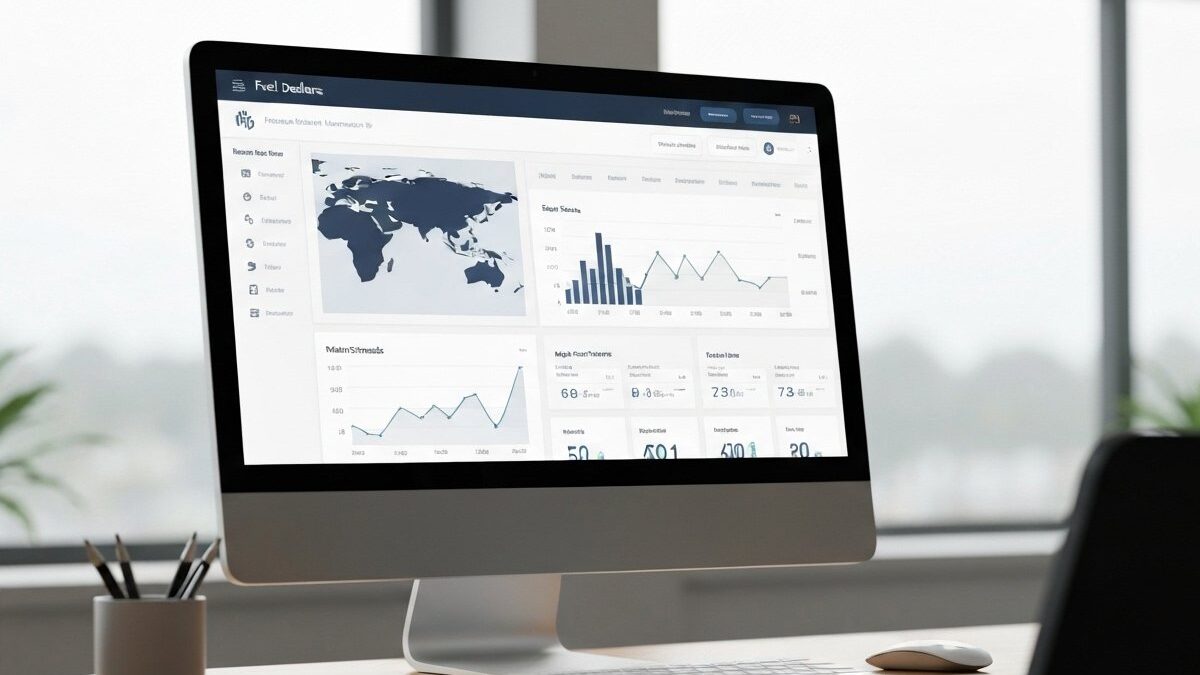
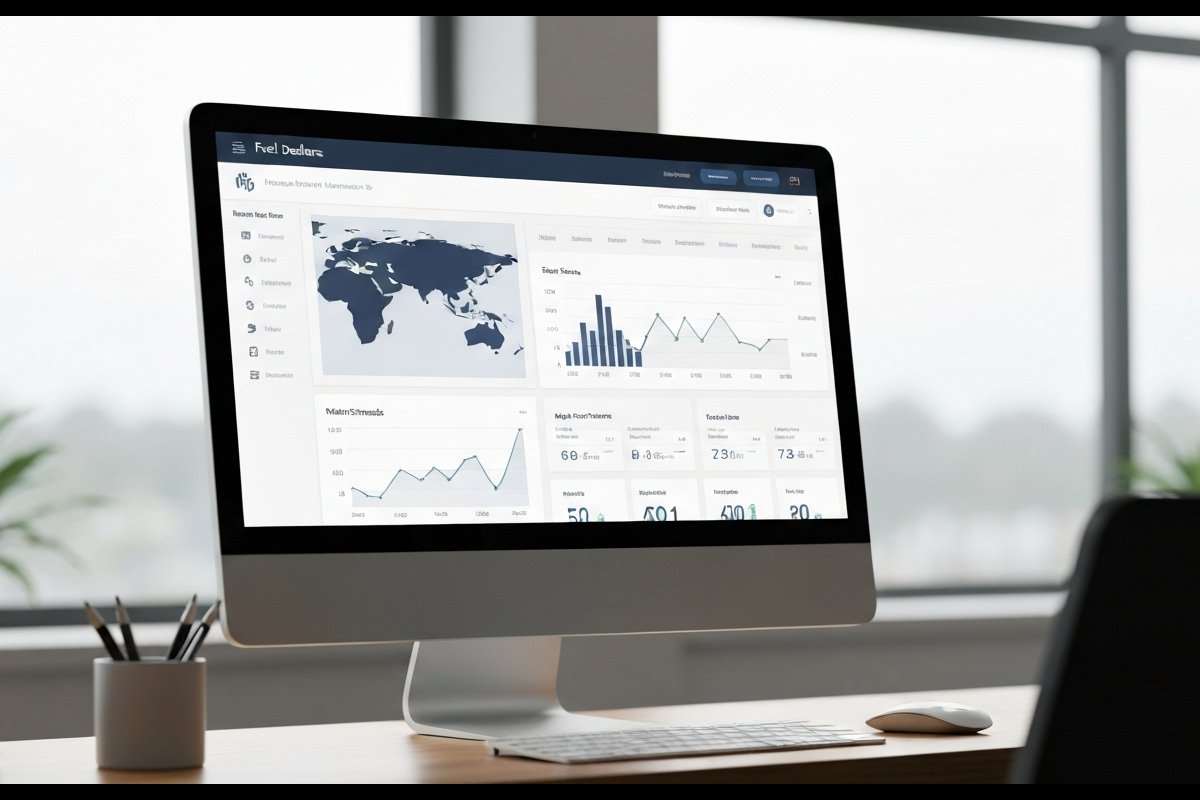
The sdms px indianoil edealer_enu portal is Indian Oil’s official digital platform for dealers and distributors. It centralizes:
-
Order placement and tracking
-
Inventory visibility
-
Payment history and sales records
-
Delivery confirmations and invoices
-
Dealer support and communication
From an operational standpoint, the portal works exceptionally well. Dealers gain real-time visibility into supply chains and transactions, reducing paperwork and delays.
But operational efficiency alone does not equal financial clarity.
The Universal Challenge: From Operational Data to Accounting Records
Like many industry-specific platforms, sdms px indianoil is not an accounting system. It generates critical transactional data, but that data must still be:
-
Categorized correctly
-
Reconciled with bank statements
-
Posted to the general ledger
-
Reflected in GST filings and financial reports
Without a structured integration process, dealers often face issues such as:
-
Mismatched sales figures
-
Delayed reconciliations
-
Inaccurate inventory valuation
-
Incomplete financial reporting
This disconnect is not unique to fuel retail—it affects logistics companies, healthcare providers, e-commerce sellers, and manufacturing businesses alike.
Why Data Flow and Reconciliation Matter
1. Accurate Financial Reporting
Operational portals record what happened. Accounting systems explain what it means financially. Without reconciliation between the two, profit and cash flow numbers become unreliable.
2. Compliance and Audit Readiness
Fuel retailers operate under strict compliance requirements. Clean data flow ensures:
-
GST figures match operational sales
-
Inventory balances align with purchase and delivery records
-
Audit trails remain intact
3. Better Business Decisions
When sdms px indianoil data feeds cleanly into accounting software, dealers gain:
-
Real-time profitability insights
-
Clear margin analysis
-
Reliable trend reporting
This allows owners to move beyond “managing transactions” to managing strategy.
The Role of Bookkeepers and Financial Advisors
This is where professional financial support becomes essential.
A skilled bookkeeper or advisor helps:
-
Map sdms px indianoil reports to accounting categories
-
Set up reconciliation workflows (sales, inventory, payments)
-
Identify discrepancies early
-
Maintain clean, audit-ready financials
Rather than relying solely on portal exports or manual adjustments, professionals build repeatable systems that ensure consistency month after month.
Tools Like Calculators and Dashboards: Helpful but Limited
Operational portals and calculators provide valuable starting points:
-
Sales summaries
-
Payment histories
-
Inventory movement reports
But they do not replace:
-
Proper chart of accounts design
-
Ledger-level reconciliation
-
Financial interpretation
Technology supports decision-making—but financial expertise completes it.
Security, Controls, and Financial Integrity
Platforms like sdms px indianoil implement strong security measures such as OTP verification, role-based access, and encrypted data transmission. While this protects operational data, financial integrity also depends on:
-
Controlled access to accounting systems
-
Segregation of duties
-
Regular financial reviews
Security must extend beyond login credentials to include process discipline.
Key Takeaways from the Case Study
Using sdms px indianoil as an example highlights a broader lesson for fuel retailers and similar businesses:
-
Specialized operational software is essential—but incomplete on its own
-
Clean integration with accounting systems is critical for growth
-
Reconciliation is not optional; it is foundational
-
Professional bookkeeping turns operational efficiency into financial clarity
Conclusion
The sdms.px.indianoil.in edealer_enu portal demonstrates how niche software can revolutionize daily operations for fuel retailers. However, true business control comes only when operational systems and accounting systems work together.
For fuel dealers—and any business using specialized platforms—success lies in bridging the gap between transactions and financial insight. With clean data flow, disciplined reconciliation, and expert financial oversight, operational efficiency translates into confident decision-making and sustainable growth.
If your business relies on industry-specific software, the next step isn’t more tools—it’s better financial integration.