



Table of Contents
What Is a Freelance Writer?
A freelance writer is an independent professional who creates written content for clients on a contract basis rather than as an employee. They may write blogs, marketing copy, technical content, reports, or have ghostwritten material and get paid per project, per word, or on retainer.
Freelance writing success depends less on writing talent and more on strategic positioning, niche selection, and client acquisition systems. Writers who treat it as a business consistently outperform those who treat it as a gig.
What Freelance Writers Actually Do Daily
Most beginners imagine a peaceful writing life. The reality is closer to running a micro-agency.
| Assumption | Reality |
| Write all day | Pitch, research, edit, revise |
| Clients come automatically | Outreach is required |
| Pay is per article | Pay is negotiated |
| Work is flexible | Deadlines dominate |
Types of Freelance Writers Ranked by Income Potential
| Type | Barrier | Pay Potential | Competition | Stability |
| Blog writer | Low | Medium | High | Medium |
| Copywriter | Medium | High | Medium | High |
| Technical writer | High | Very High | Low | Very High |
| Ghostwriter | Medium | High | Medium | High |
| Industry specialist | High | Extremely High | Low | Very High |
How Much Freelance Writers Earn
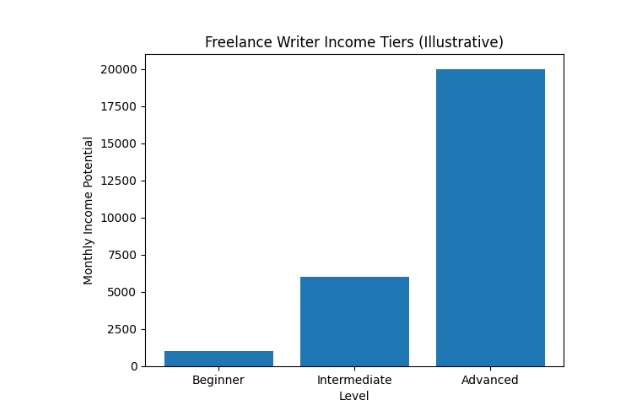
Regional Comparison – USA vs UK vs India
| Region | Market Reality | Strategy Advantage |
| USA | Highest pay | Position as specialist |
| UK | Stable demand | Authority branding |
| India | Rapid growth | Target global clients |
Global freelancing reports from platforms like Upwork Research Institute indicate international clients frequently hire cross-border writers for cost efficiency and expertise.
Skills Ranked by Market Value
Most blogs rank grammar first. Markets disagree.
Actual value hierarchy
- Positioning
- Research depth
- Understanding business goals
- SEO knowledge
- Writing mechanics
How to Become a Freelance Writer — Execution Blueprint
Step System
- Choose niche
- Create 3 samples
- Build portfolio
- Pitch daily
- Close client
- Deliver measurable results
- Increase rates
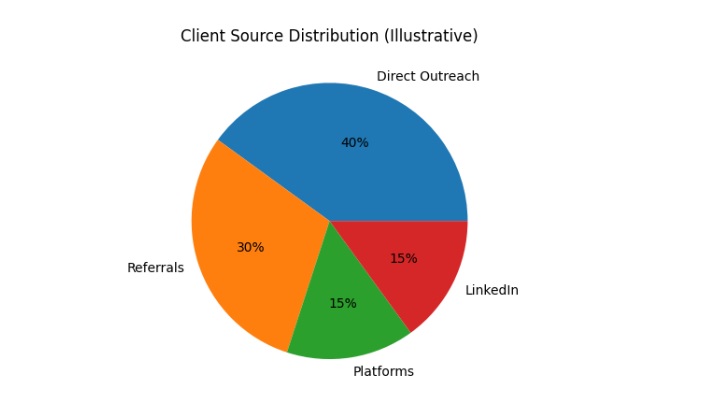
Where Freelance Writers Find Clients
Best Niches for Freelance Writers
High-earning niches share three characteristics:
- Businesses have budget
- Content affects revenue
- Knowledge barrier exists
Top examples:
- SaaS
- Finance
- Healthcare
- Legal
- B2B technology
Research from Statista and HubSpot’s Marketing Reports shows these sectors invest heavily in content.
Beginner Mistakes That Delay Income
Common failure patterns:
- Calling yourself “general writer”
- Charging low rates to get clients
- Avoiding pitching
- Taking every project
- Ignoring SEO fundamentals
Root cause: treating freelancing like employment instead of entrepreneurship.
Is Freelance Writing Worth It?
Yes — for certain personalities.
Good fit if you:
- enjoy autonomy
- tolerate uncertainty
- like learning industries
Bad fit if you:
- need stable salary
- dislike negotiation
- avoid self-promotion
Future of Freelance Writing
AI is changing writing — but not eliminating writers.
Automation replaces
- generic blog posts
- summaries
- low-skill content
Automation increases demand for
- editors
- strategists
- subject-matter experts
- brand voice specialists
Writers who evolve into strategists gain leverage.
Conclusion:
Freelance writing isn’t saturated, it’s stratified. Beginners who stay general struggle, while those who specialize, position strategically, and treat writing like a business consistently rise. The opportunity still exists in every major market (USA, UK, India), but success now belongs to writers who offer expertise, results, and clear value rather than just words.
FAQs
How do beginners start freelance writing?
Choose a niche, create samples, build a portfolio, and pitch clients directly.
Do freelance writers need degrees?
No. Clients prioritize results and expertise.
Where do freelance writers find work?
Most high-paying work comes from outreach and referrals.
Is freelance writing saturated?
Low-skill writing is saturated. Specialized writing is not.