


Table of Contents
Introduction
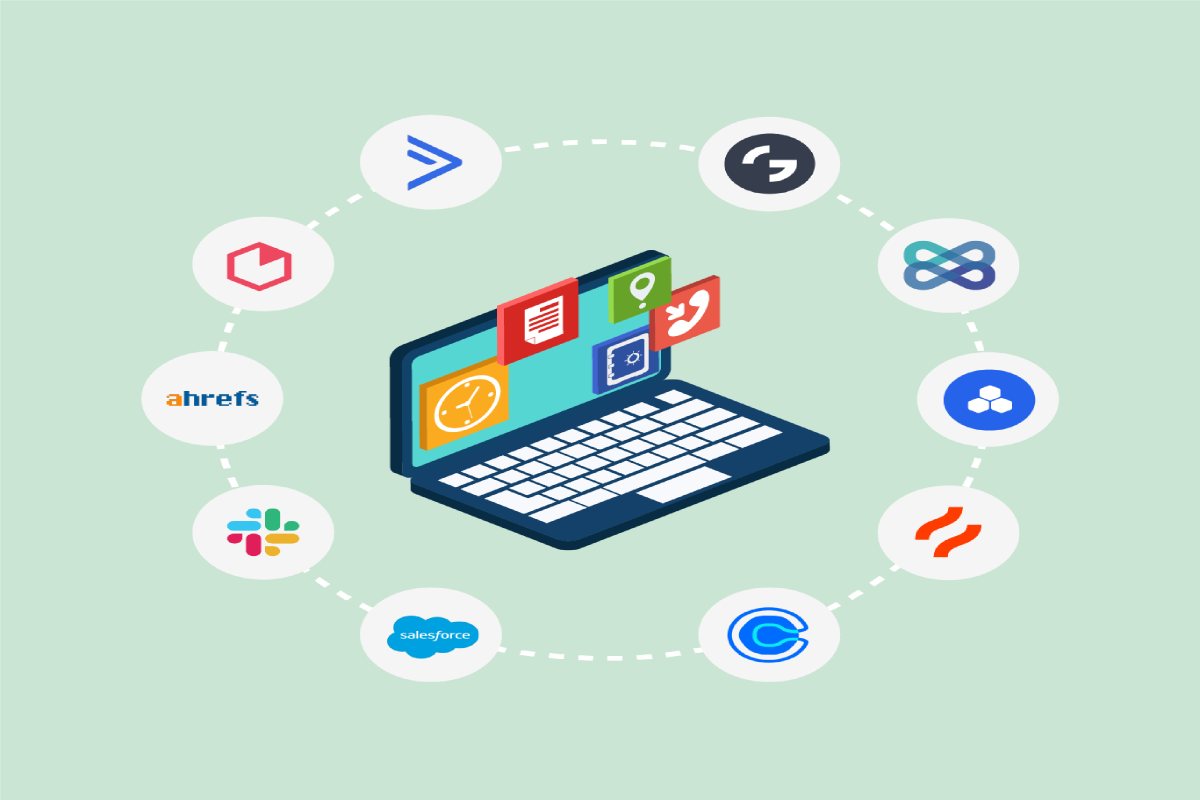
In today’s digital-first world, software and technology are embedded in every marketing function. By strategically assembling a set of tools—a marketing technology stack—teams can transform analog processes, boost productivity, and drive measurable ROI. However, with thousands of options available, building the right stack can be a daunting task.
This guide will walk you through the principles of building an effective marketing technology stack and provide a balanced overview of tool categories to consider.
What is a Marketing Technology Stack?
A marketing technology stack (or “martech stack”) is a curated collection of software tools that marketers use to plan, execute, analyze, and automate their activities. A well-integrated stack streamlines operations across the entire customer journey, from content creation and social media management to email automation, customer relationship management (CRM), and analytics.
How to Build a Smarter Marketing Technology Stack
With over 9,000 marketing tools on the market, selection is challenging. The goal is to build a stack that meets your team’s specific needs without overspending or creating complexity. Keep these three criteria in mind:
1. Choose Versatile Tools
Prioritize tools that serve multiple functions within a category. For example, a social media management tool that schedules posts, provides analytics, and monitors engagement across all major platforms is more efficient than using separate tools for each function. This consolidation reduces cost, training time, and data silos.
2. Consider Software Compatibility
Automation is a key benefit of a martech stack, potentially reducing marketing costs by over 12%. However, automation only works with seamless integration. Choose tools with strong API support or built-in integrations with other major platforms you use. Industry-standard tools often have the widest compatibility, making them a safer, more scalable choice.
3. Focus on Ease of Use
A powerful tool is ineffective if your team cannot use it efficiently. Consider the learning curve and the quality of onboarding resources, tutorials, and customer support. Tools with intuitive interfaces and responsive support teams ensure faster adoption and smoother handling of any issues.
A Framework for Your Recommended Marketing Technology Stack
Instead of promoting single vendors, here is a framework of essential tool categories. Evaluate options in each based on the criteria above to meet your specific needs.
1. Content Marketing & Management
This category involves tools for the entire content lifecycle: planning, creation, collaboration, and storage.
-
Need: A central hub to manage content production, avoid messy spreadsheets, and maintain a consistent editorial calendar.
-
What to look for: Editorial calendars, content templates, collaborative editing, and workflow management. Some platforms offer direct publishing capabilities to CMS or social media.
2. Website Content Management System (CMS)
Your website is your owned digital hub. A CMS allows you to create, manage, and publish content without deep technical expertise.
-
Need: A dedicated online space you fully control, hosting blogs, landing pages, e-commerce stores, and brand assets.
-
What to look for: User-friendliness, robust template/themes, SEO features, security, and integration capabilities with your other martech tools.
3. Social Media Management
Managing multiple social platforms individually is inefficient.
-
Need: A unified dashboard to schedule posts, engage with audiences, monitor mentions, and analyze performance across all major social networks.
-
What to look for: Multi-platform scheduling, social listening, engagement inboxes, and unified analytics reports.
4. Marketing Automation & Email Marketing
This is crucial for nurturing leads and communicating with customers at scale.
-
Need: To send targeted email sequences, segment audiences, and automate campaigns based on user behavior.
-
What to look for: Easy email builder, automation workflows, segmentation, A/B testing, and integration with your CRM.
5. Analytics & Data Visualization
Data is the compass for your marketing strategy.
-
Need: To track website traffic, campaign performance, and overall ROI in a clear, actionable way.
-
What to look for: Ability to connect multiple data sources (web, social, email), create custom dashboards, and generate insightful reports.
Conclusion: Building Your Stack is a Strategic Process
Building your marketing technology stack is not about collecting the most tools, but about strategically selecting interconnected solutions that solve your team’s unique challenges. Start by auditing your current processes and identifying the biggest gaps or inefficiencies.
Before committing to any tool, take advantage of free trials, request product demos, and ensure it fits your budget and integrates well with your existing systems. Remember, the most effective stack is one that your team will actually use—one that simplifies work, provides clear insights, and scales with your growth. By focusing on versatility, compatibility, and ease of use, you can build a martech foundation that drives sustainable results.