


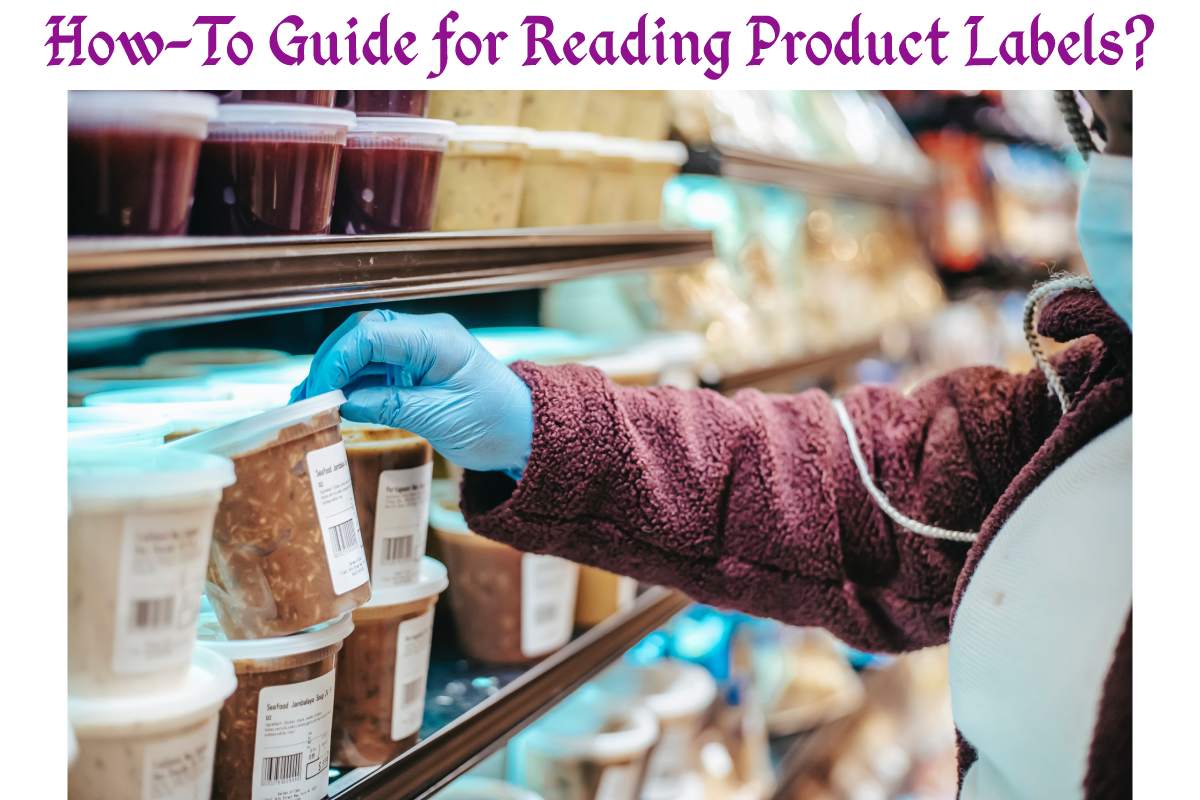
Reading product labels is an essential skill for making healthier food choices. The Nutrition Facts panel on food packaging tells you everything you need to know—you just need to understand what to look for and how to interpret the information.
Table of Contents
How to Read the Nutrition Facts Panel
Start by ignoring the front of the package. Front-facing labels often contain marketing claims designed to influence your decision, not educate you.
For example:
-
“Multigrain” does not necessarily mean 100% whole wheat
-
“Low-fat” does not always mean heart-healthy
-
Terms like “fresh,” “natural,” or “no additives” are often unregulated and can be misleading
These claims reflect what the manufacturer wants you to notice—not necessarily what is best for your health.
The Nutrition Facts panel, usually found on the side or back of the package, provides standardized and regulated information. However, it can still be confusing if you focus on only one nutrient and ignore the rest. For heart health, you should consider calories, saturated fat, trans fat, fiber, sodium, and more—not just one value.
Below is a step-by-step guide to reading the Nutrition Facts panel effectively.
1. Identify Serving Size and Servings per Container
The serving size and number of servings per container are among the most important pieces of information on the Nutrition Facts panel. This information appears at the very top.
The serving size tells you how much food the nutritional information applies to. It is not a recommendation of how much you should eat. Instead, it is a standardized reference that allows you to compare similar products.
Be cautious: some packages appear to contain a single serving but actually include two or more. For example, if a package lists two servings per container and 250 calories per serving, eating the entire package means you consumed 500 calories, along with double the listed nutrients.
2. Think Calories
Next, review the calorie content. Calories matter whether you are trying to lose weight, maintain weight, or simply make balanced choices.
Even if you don’t count calories daily, checking this number helps you decide how often a food fits into your diet. As a general guideline, if a single serving contains a large portion of your estimated daily calorie needs, it should be eaten sparingly.
You can refer to the general calorie guide provided by the U.S. Food and Drug Administration (FDA) to understand daily calorie benchmarks.
3. Limit These Nutrients
For heart health, certain nutrients should be limited due to their association with increased risk of cardiovascular disease.
Pay close attention to:
-
Total fat
-
Saturated fat
-
Trans fat
-
Cholesterol
-
Sodium
The Nutrition Facts panel makes it easy to spot foods that are high in these nutrients so you can limit them in your diet.
4. Get Enough of These Nutrients
Many people do not get enough essential nutrients such as:
-
Dietary fiber
-
Vitamin A
-
Vitamin C
-
Calcium
-
Iron
Dietary fiber is especially important for heart health. Fiber-rich foods are defined by the FDA as containing 5 grams or more per serving, and most adults should aim for about 25 grams per day.
The Nutrition Facts panel helps identify foods that contribute positively to these daily requirements.
5. Understand the Footnote at the Bottom of the Nutrition Facts Label
The footnote at the bottom of the Nutrition Facts panel explains that Percent Daily Values are based on a 2,000-calorie diet.
Daily Values represent recommended daily intake amounts for nutrients such as fat, saturated fat, cholesterol, sodium, carbohydrates, fiber, vitamins, and minerals. Since calorie needs vary by individual, the label provides reference values for both 2,000 and 2,500 calorie diets.
6. Percent Daily Value (%DV)
The Percent Daily Value tells you how much a nutrient in one serving contributes to your daily diet.
Although it is based on a 2,000-calorie diet, %DV is a useful tool for evaluating nutrient density.
Quick %DV Guide:
-
5% or less = Low
-
20% or more = High
Use this to limit nutrients like sodium and saturated fat while prioritizing nutrients like fiber and calcium.
7. Review the Ingredient List
Ingredients are listed in descending order by weight. This section is especially important for people with food allergies and those trying to eat less processed foods.
Key things to look for:
-
Long lists of preservatives may indicate highly processed foods
-
Whole grains should be listed first (e.g., “whole wheat flour”)
-
“Partially hydrogenated oils” indicate the presence of trans fats, even if labeled as 0 grams
-
Added sugars may appear under names like corn syrup, dextrose, sucrose, maltose, honey, or maple syrup
If sugar or sweeteners appear early in the ingredient list, the product is likely high in added sugars and low in nutritional value.
Final Takeaway
Learning to read the Nutrition Facts panel empowers you to make informed, heart-healthy choices. By focusing on serving size, calories, nutrients to limit, nutrients to prioritize, and ingredient quality, you can better understand what you are putting into your body—beyond the marketing claims on the front of the package.